
Red Tape Ruins La Liga's US Dream: Barcelona vs Atletico Miami Clash Collapses
La Liga's ambitious plans to stage December's blockbuster clash between Barcelona and Atletico Madrid in Miami have collapsed at the eleventh hour. Despite promising a massive financial windfall, president Javier Tebas's overseas dream has been thwarted by complex legal hurdles.

La Liga's decision to scrap plans to host the blockbuster clash between Barcelona and Atletico Madrid on 21 December 2024 in Miami is more than just a commercial setback; it exposes deep fractures within Spanish football's governing infrastructure.
For Barcelona, returning the fixture to their temporary Montjuïc home means missing out on a lucrative $6 million windfall—a severe blow to the Catalan giants' fragile financial recovery efforts.
Failing to secure eleventh-hour approval from the Spanish Football Federation (RFEF) has turned President Javier Tebas's overseas crusade into a costly lesson. Behind this collapse lies the starting point of a complex legal and financial battle, where institutional barriers are choking global ambitions.
American Ambition and Barcelona's $6m Windfall
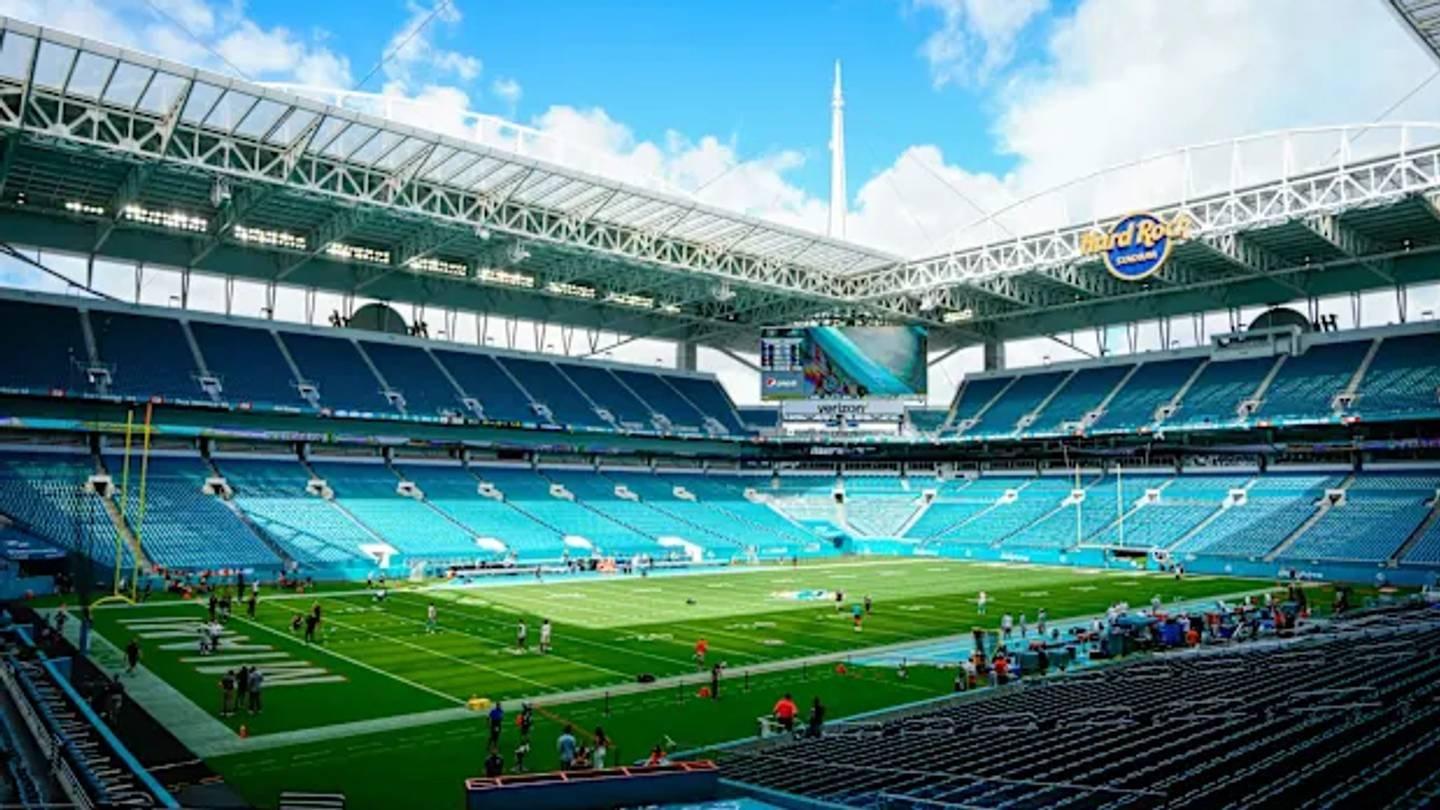
Fueling this overseas venture is La Liga's burning commercial ambition to tap into North America—the league's second-largest market. For Barcelona, plagued by financial crises and playing at the limited-capacity Montjuïc stadium, the compensation package of up to $6 million (around €6.5 million) for playing in the US represented vital cash flow to ease their immediate economic woes.
The immense commercial appeal of Miami's 65,000-seater Hard Rock Stadium promised a money-spinning football festival for all involved. Crucially, this opportunity came incredibly close to reality thanks to the active mediation of Relevent Sports, the sports marketing giant that recently secured a landmark legal victory against FIFA, setting a historic precedent for hosting domestic matches abroad. However, eleventh-hour institutional red tape has temporarily snatched this lucrative prize away from the Catalan club.
Red Tape and Why the Deal Collapsed at the Eleventh Hour

The first hurdle stemmed from a complex, multi-layered approval process requiring absolute consensus from five governing bodies: FIFA, UEFA, RFEF, USSF, and CONCACAF. However, the decisive bottleneck lay in the political instability of the RFEF itself, currently run by an interim management committee following the suspension of former President Pedro Rocha. The lack of permanent leadership led the RFEF to withdraw from consultations, directly stalling all legal procedures due to risk aversion during this transitional phase.
Inevitably, on 19 November 2024, La Liga was forced to officially announce the cancellation of the overseas fixture, having run out of time to secure the necessary approvals. Instead of Miami, the blockbuster clash between Barcelona and Atletico Madrid has been returned to their temporary home, the Estadi Olímpic Lluís Companys, on 21 December 2024, bringing a premature end to an ambitious chapter.
Javier Tebas's American Dream: Delayed or Dead in the Water?

Yet, this setback is merely a temporary bump in the road for Javier Tebas's strategic masterplan. The ambitious president immediately reaffirmed his determination to take official La Liga fixtures abroad for the 2025-26 season, viewing the US market as essential territory to conquer.
Reflecting on this trend, former Real Madrid star Steve McManaman noted that seeking overseas revenue is inevitable. He highlighted a deep division, with Barcelona and Atletico eagerly embracing the opportunity to ease financial pressures, in stark contrast to Real Madrid's indifference. This internal rift is slowing Spanish football's momentum in its fierce battle with the Premier League for dominance in the US, where TV rights and commercial influence will ultimately decide global supremacy.
The Verdict
The collapse of the Miami showdown between Barcelona and Atletico Madrid is undoubtedly a short-term setback, exposing temporary institutional barriers in Spanish football. However, this failure cannot halt La Liga's inevitable march towards globalisation, as the massive commercial rewards of the US market remain an irresistible magnet for its clubs.
Crucially, the modern football landscape is being reshaped by foreign capital, where the geographic boundaries of domestic leagues are no longer sacred. This means Javier Tebas's 'American Dream' is merely on hold, rather than dead and buried. Standing at the crossroads of preserving traditional identity and maximising commercial revenue, do you support taking domestic league matches overseas?

Comments