
Wayne Rooney's Darkest Hour: Man Utd Legend Reveals Suicide Struggles at Peak of Career
Manchester United's record goalscorer Wayne Rooney has shocked the football world by revealing he battled suicidal thoughts and turned to alcohol to cope with pressure in 2009. Despite dominating the pitch at the peak of his powers, the Red Devils legend has opened up on the darkest period of his career.

On 17 November 2026, candid revelations from Wayne Rooney – Manchester United's record goalscorer with 253 goals – on the "Life At The Midpoint" podcast sent shockwaves through the football world. Fans were left stunned by the brutal contrast: in 2009, whilst reigning at the absolute peak of his powers under Sir Alex Ferguson, Rooney was secretly battling severe depression and suicidal thoughts.
The stark dichotomy between his dazzling brilliance on the pitch and long days of self-isolation and alcohol abuse in the dark exposed the brutal flip side of fame. The psychological torment that nearly cost Rooney his life was not just a personal struggle, but a classic example of the invisible barrier of "masculinity" that so often prevents sporting superstars from admitting vulnerability and seeking help.
The 2009 Tragedy: Man Utd Glory and Rooney's Dark Battle with Depression
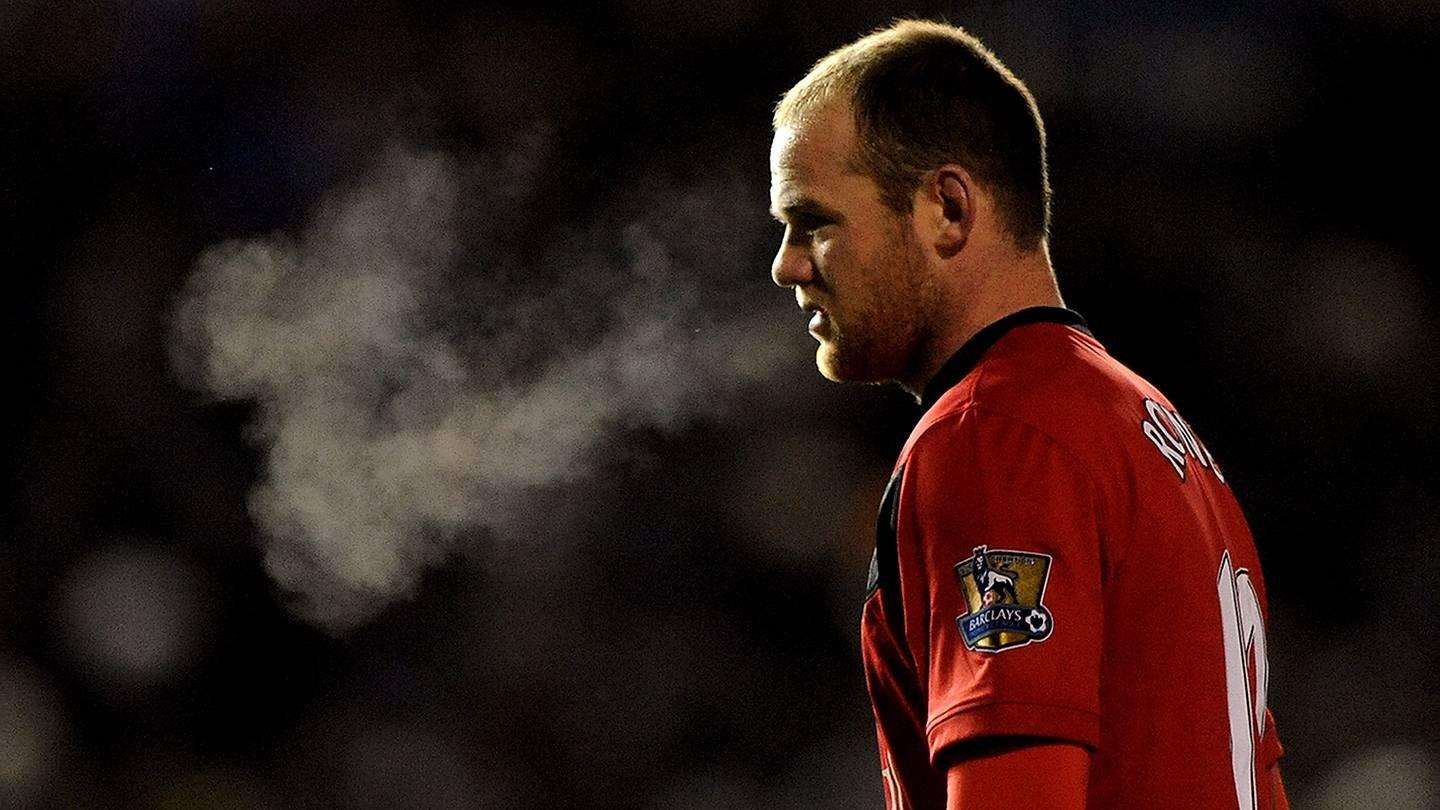
In 2009, at just 24 years old, Wayne Rooney seemingly had it all, flourishing under Sir Alex Ferguson's tutelage at Manchester United whilst enjoying family life with his wife Coleen and their newborn son, Kai. Yet, the colossal pressure of global stardom quickly became an overwhelming burden, dragging him into a deep abyss of severe depression and chronic self-isolation.
To escape reality, the striker turned to alcohol as a destructive coping mechanism to numb his psychological pain. Remarkably, whenever he had days off, Rooney would lock himself away for two consecutive days just to drink, later relying on eye drops and chewing gum to mask the physical toll before stepping onto the training pitch.
The Barrier of 'Masculinity' and Coleen's Lifesaving Support

In the high-stakes world of elite football, dominated by rigid stereotypes, admitting mental vulnerability is often stigmatised as weakness, threatening a superstar's "masculine" image. Wayne Rooney was no exception, admitting he desperately hid his darkest moments for fear of being judged as lacking manhood.
However, the turning point came when the former Manchester United forward swallowed his pride and proactively sought professional therapy. Alongside his own resolve, the unwavering support and compassion of his wife, Coleen, proved to be his ultimate lifeline, pulling Rooney back from the brink of despair when he was closest to ending his life.
Editorial Perspective
The near-tragedy of Wayne Rooney is not just a glimpse into a legend's dark past, but a sobering wake-up call regarding mental health in the modern game. In a relentless environment where performance and media pressures intensify daily, psychological care must be treated with the same gravity as physical and tactical training. Rooney's bravery in speaking out is a crucial milestone, helping to dismantle stigma and foster a more compassionate culture at the pinnacle of sport.
What are your thoughts on the immense psychological pressure football's elite must endure behind the scenes?
Comments