
Goal Rush: How the Champions League's new format sparked a scoring revolution
The UEFA Champions League's new league phase has sparked an unprecedented goalscoring revolution, killing off pragmatic football. Averaging over four goals per match and yielding a record-breaking 78-goal matchday, the revamped format has transformed Europe's elite competition into an all-out attacking spectacle.

A record-breaking 78 goals across 18 matches on Matchday 2 of the 2026/27 UEFA Champions League league phase is no dry statistic; it is a resounding validation of the new format's success. This unprecedented goal rush is the direct result of UEFA's bold decision to scrap the traditional group stage in favour of the Swiss-style single league phase. Instead of pragmatic calculations to protect a point, teams are forced into breathless, high-scoring thrillers because goal difference directly decides their fate in the overall standings. This tactical shift has not only unleashed attacking mindsets but also offers deep insights into the core drivers behind this explosive goalscoring rate.
Record-Breaking Goal Rush of the 2026/27 League Phase
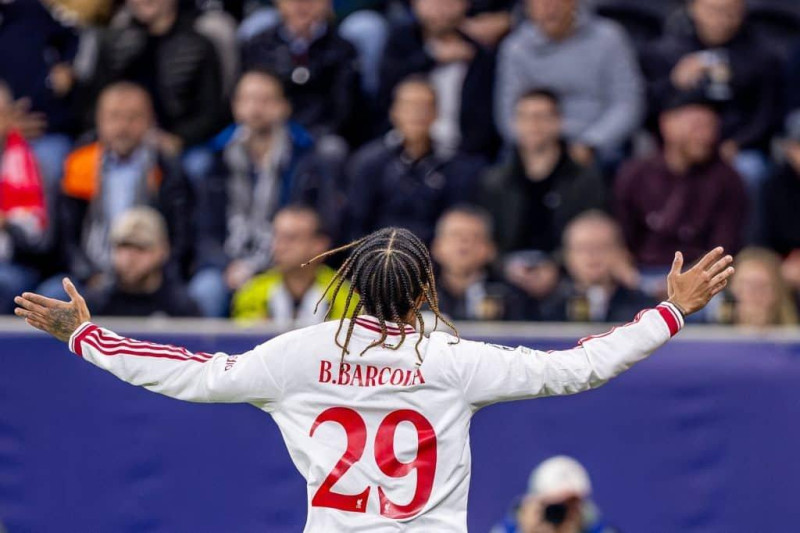
The record-breaking tally of 78 goals in 18 matches yielded an astonishing average of 4.33 goals per game, an unprecedented figure in UEFA Champions League history. This explosion of goals was not confined to a few mismatches but was spread across two dramatic nights, with 50% of the fixtures producing five or more goals. Fans were treated to absolute goal-fests, highlighted by a breathless thriller where LASK fell 6-3 to Liverpool, and Aston Villa's 6-0 demolition of Fenerbahce. Even heavyweight clashes were wide open, evidenced by Real Madrid's spectacular 4-3 comeback victory over AS Roma after trailing by two goals. This tactical shift towards attacking football has transformed every match into an uncompromising goal chase.
Three Tactical Catalysts of the New Format
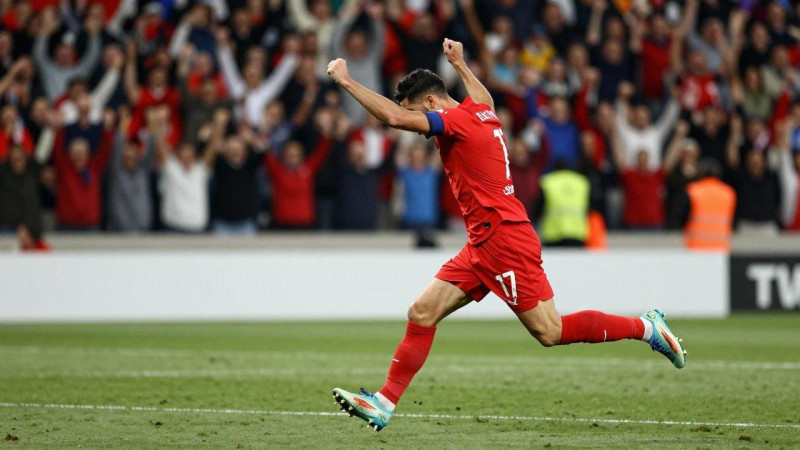
This goal explosion stems primarily from UEFA increasing the qualification rate to 66.7%, opening the door for 24 out of 36 teams to progress to the knockout stages. This shift has liberated managers from the fear of failure, giving them the confidence to abandon pragmatic tactics and go toe-to-toe with their opponents. At the same time, with goal difference serving as a vital tiebreaker in the single league table, the heavyweights are forced to keep pressing and score as many as possible rather than playing it safe when leading.
Furthermore, the league phase format has completely eliminated dead rubbers. Now, every single goal scored or conceded in stoppage time directly decides a club's fate, forcing them to fight for every goal until the final whistle.
Shifting Power Dynamics and the Future of the Competition

A direct consequence of this change is a clear shift in the balance of power, with underdogs willing to go toe-to-toe with the giants. Shock results, such as Viking's resilient 3-3 draw against Bayern Munich, or Club Brugge's stunning 4-3 away victory over Inter Milan, are clear proof of this fearless mentality.
Conversely, the elite powerhouses have also flexed their muscles, with PSG leading the scoring charts with 10 goals, asserting their attacking dominance. Many pundits predict this open tactical trend will continue to dominate the Champions League knockout stages, promising a highly dramatic and unpredictable future for the tournament.
Editorial Verdict
The recent record-breaking goal rush is resounding proof that UEFA's new format has been a roaring success in elevating entertainment value and awakening clubs' attacking instincts. By lifting the psychological pressure and maximising the value of every single goal, the Champions League is no longer just a cagey tactical chess match, but has truly become an open, emotional, and highly entertaining festival of football.
However, this shift also prompts deep reflection on the boundary between drama and the pragmatism that has traditionally defined elite football. Standing at this historic crossroads, do you prefer the explosive goal rushes of the current format, or the cagey, calculated pragmatism of the old system?

Comments