
Mutiny at UEFA: 54 nations revolt against FIFA over grueling fixture pile-up
FIFA's controversial decision to condense the international calendar has triggered a fierce backlash from 54 of UEFA's 55 member associations. With players facing a grueling schedule of four Nations League matches in just 11 days, mounting injuries and player burnout have pushed relations between clubs, UEFA, and FIFA to breaking point.

A private meeting in Berlin has become a ticking time bomb for European football, with 54 of UEFA's 55 member associations uniting to condemn FIFA's new calendar as a total "disaster". At the heart of this fury is a relentless fixture pile-up: four competitive matches crammed into just 11 days in the UEFA Nations League. Pushing superstars like Kylian Mbappé and Erling Haaland to their absolute physical limits not only risks serious injury but has also ignited a fierce conflict between the associations and FIFA. The fallout from these reforms presents a massive dilemma in balancing commercial greed against player welfare.
FIFA's reforms and the grueling four-match, 11-day schedule
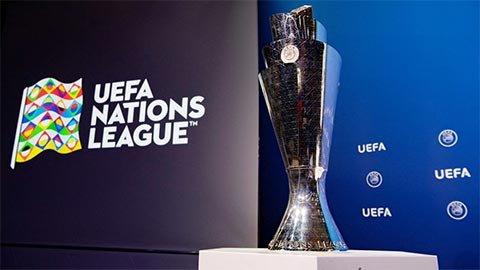
The root of this crisis lies in a fundamental shift in FIFA's reforms, with the governing body deciding to merge the September and October international breaks into a single 16-day window. However, the intention to reduce travel has backfired spectacularly, compressing the UEFA Nations League schedule into a grueling run of four competitive fixtures in a mere 11 days.
This relentless schedule immediately sparked fierce opposition from member associations. Crucially, during the private summit in Berlin, 54 of UEFA's 55 nations stood united in their scathing criticism of FIFA's decision, leaving Azerbaijan as the sole voice backing a reform widely deemed impossible for player endurance.
The brutal toll on player fitness and club interests
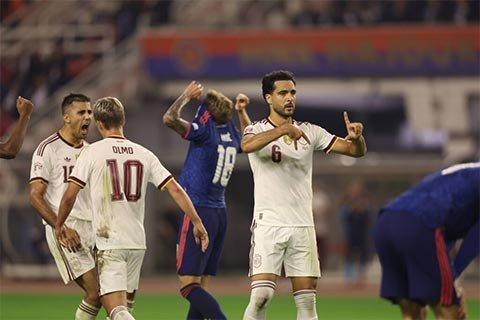
This punishing schedule is pushing elite superstars like Kylian Mbappé and Erling Haaland to the brink of physical exhaustion, leaving them highly vulnerable to serious injury. This systemic overload has triggered immediate and fierce backlash from managers and experts across Europe.
Niko Kovač of Borussia Dortmund voiced his frustration at clubs completely losing their competitive rhythm for nearly three weeks, while Norway boss Ståle Solbakken branded the new schedule "utterly brutal" for the players. Furthermore, FIFA's reforms impose a heavy financial burden on smaller football associations due to the costs of hosting extended training camps, while also draining fans' pockets as they are forced to pay for a rapid succession of matches.
The legal battle and the future of European football up to 2030
Amid mounting fury, UEFA is actively gathering feedback from member associations to draft a formal petition to FIFA, demanding the immediate scrap of this three-week international break. However, this is a massive hurdle, given that FIFA's international match calendar is already locked in until 2030.
This systemic rigidity is dragging European football into a high-stakes legal standoff. Should FIFA refuse to back down, the European game faces the threat of widespread player strikes or protracted legal battles launched by player unions like FIFPRO and member associations, signaling a turbulent and deeply divided future for the rest of the decade.
Editorial: Our view
The fierce resistance from 54 UEFA member nations serves as a stark warning to FIFA over the hyper-commercialisation of the football calendar. When players' physical limits are pushed to the extreme for financial gain, the beautiful game loses its core quality. Without a compromise, this crisis could trigger a complete restructuring of the sport, where player welfare must finally be prioritised over lucrative commercial profits.
Faced with this unprecedented wave of opposition, will football's global governing body back down? Should FIFA yield and scrap this grueling schedule to protect the players? Have your say in the comments below.

Comments