
Money Machine: How Real Madrid are closing in on a historic €1.4bn revenue record
Real Madrid are projected to generate an unprecedented €1.405bn in revenue by the 2026/27 season. This spectacular financial surge is fueled by the newly renovated Santiago Bernabéu cash cow and a lucrative €154.8m academy player sales strategy.

A record-breaking €1.405bn projected revenue for the 2026/27 season is more than just a financial milestone; it is a resounding statement of Real Madrid's status as the world's ultimate financial powerhouse. This unprecedented leap raises a key strategic question for observers: how can the Spanish giants, steered by President Florentino Pérez, achieve such astronomical figures, even after a summer of heavy spending to rebuild the squad? The arrival of Jose Mourinho in the dugout, alongside high-profile signings like Bernardo Silva and Marc Cucurella, has seemingly done nothing to destabilise the club's balance sheet. On the contrary, it serves as a masterclass in elite management and the visionary commercial foresight of the Santiago Bernabéu hierarchy.
The Santiago Bernabéu 'cash cow' and a 22% commercial surge

At the heart of this financial boom is the €1.4bn Santiago Bernabéu redevelopment project, transforming the iconic stadium into a year-round, multi-purpose entertainment hub. Consequently, stadium-related commercial revenue is projected to hit a record €420.1m for the 2026/27 campaign, fully optimised through massive entertainment events such as Taylor Swift concerts and high-profile NFL fixtures.
Alongside this, Real Madrid's sponsorship sector has registered an impressive 22% growth. This breakthrough stems from successful contract renewals with long-term partners Adidas and Emirates, alongside fresh partnerships with brands like Hotels.com and Uber Eats. The seamless synergy between state-of-the-art infrastructure and unparalleled commercial appeal provides the ultimate launchpad for Los Blancos to dominate the global football financial landscape.
The 'La Fabrica' formula: Exporting talent to generate €154.8m
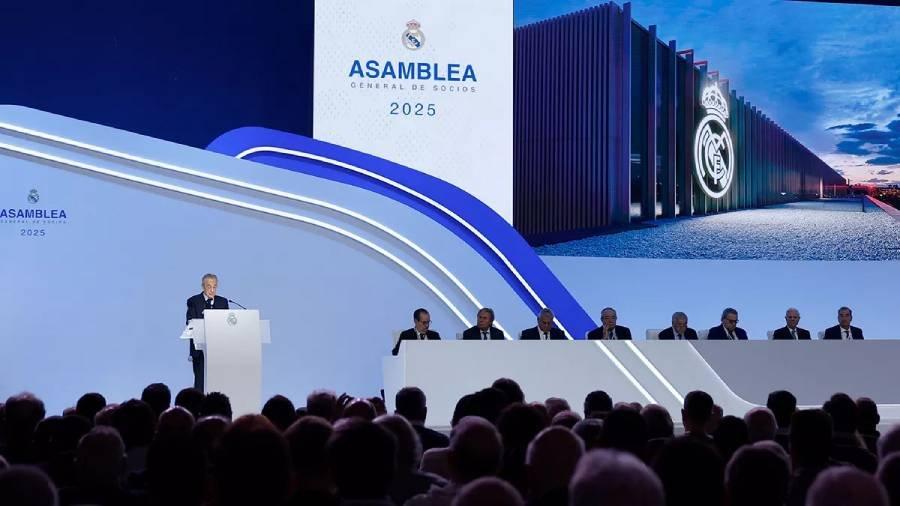
Beyond the commercial boosts and the Bernabéu cash cow, Real Madrid's operational model has also proven its superiority through the goldmine of the Valdebebas academy. Specifically, the club's renowned youth system, La Fabrica, has generated a record-breaking €154.8m in revenue from exporting homegrown talents.
Highly successful transfers involving the likes of Nico Paz, Gonzalo García, César Palacios, Jacobo Ortega, and Víctor Muñoz have not only delivered direct net profits but have also cemented the global reputation of the club's elite youth development system.
This reflects a sharp administrative strategy, striking a perfect balance between splashing out on global superstars and maximising returns from academy prospects. It provides a rock-solid financial foundation that ensures the club maintains its long-term dominance in the modern, money-driven era of football.
Florentino Pérez's iron discipline and the ambitions of the Jose Mourinho era

The return of manager Jose Mourinho after 13 years has not only reignited Real Madrid's title ambitions but has also presented a complex management puzzle for Florentino Pérez. To turn these ambitions into reality, the club has approved a projected budget of €1.248bn for the new season, targeting a safe net profit of €14.2m.
This modest profit target is the result of Real Madrid's continuous, heavy reinvestment in the squad to secure world-class stars like Bernardo Silva and Ibrahima Konate. However, the defining factor for the success of this new era lies in Pérez's iron-fisted control over a highly strict wage structure. This immaculate financial equilibrium provides a solid platform for Real Madrid to confidently go toe-to-toe with arch-rivals Barcelona in La Liga.
Author's perspective
Real Madrid's comprehensive rise under Florentino Pérez is a resounding testament to the club's undisputed supremacy, achieved not just through silverware on the pitch but through elite sports financial management. Transforming the Santiago Bernabéu into a multi-purpose commercial hub, combined with a highly efficient academy export policy, has allowed the club to secure self-sufficient cash flow and withstand any economic volatility.
This extraordinary success poses a major question for the global football landscape: will Real Madrid's high-revenue stadium and academy model become the mandatory blueprint for other European giants looking to restructure their operations in the future?

Comments