
War of Words: Why Javier Tebas Branded Real Madrid La Liga's 'Ultimate Rebels'
The long-running feud between La Liga president Javier Tebas and Real Madrid has reached boiling point after he publicly branded the club 'ultimate rebels'. Behind the bitter clashes over Real Madrid TV and the European Super League lies a fierce power struggle shaping the future of Spanish football.

On 5 October 2026, La Liga President Javier Tebas's fiery comments in Vigo, branding Real Madrid Spain's 'ultimate rebels', plunged the already fractured relationship between the league and the Spanish giants into a stormy new chapter. This declaration was no mere outburst; it was the culmination of a long-running systemic feud, ranging from the covert legal battle over the European Super League to direct media broadsides involving financial allegations. Behind the fierce war of words and Los Blancos' demands for his resignation lies a critical struggle for power and financial dominance. This battle for supremacy will not only reshape the future of La Liga but also reflects a deep divide in the structure of modern European football.
The Roots of Conflict: From the Super League to Media Warfare
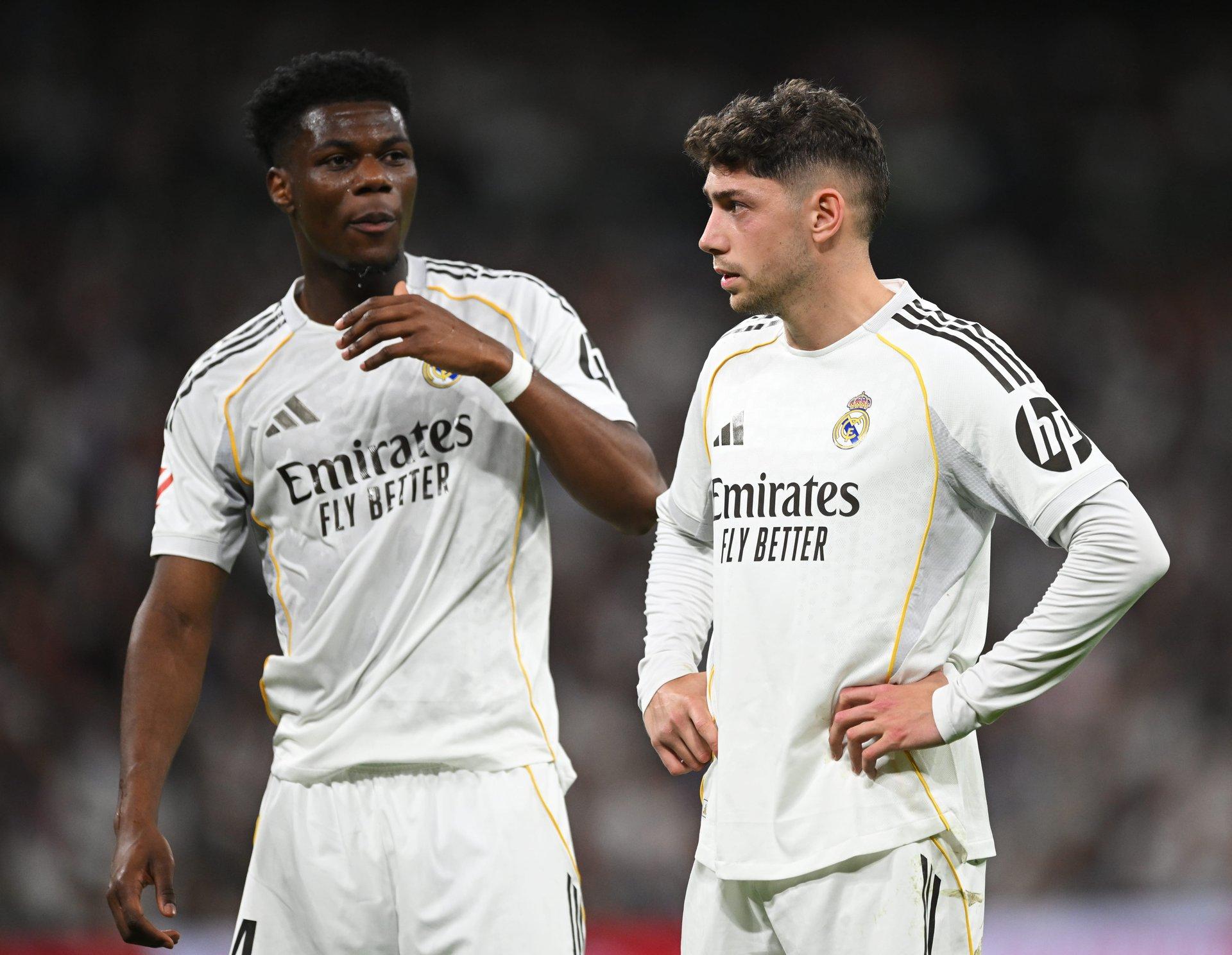
The core of this systemic rift stems from Javier Tebas's allegations that Real Madrid are covertly driving the Super League project. He warned that such a move would fracture European football into an unfair 'two-speed' system, where elite clubs monopolise all power and financial resources.
This ideological clash quickly escalated into a direct media war when Real Madrid TV used Audiovisual New Aged files to launch personal attacks against Tebas. However, the La Liga chief swiftly hit back with evidence linking the club itself to financial irregularities. The tension peaked in September 2026 when the club demanded Tebas's resignation, accusing him of bias. In response, the La Liga president issued a defiant statement, fiercely defending his independence against pressure from the Bernabeu.
The 'Locomotive and Carriages' Philosophy and Title Race Pressure
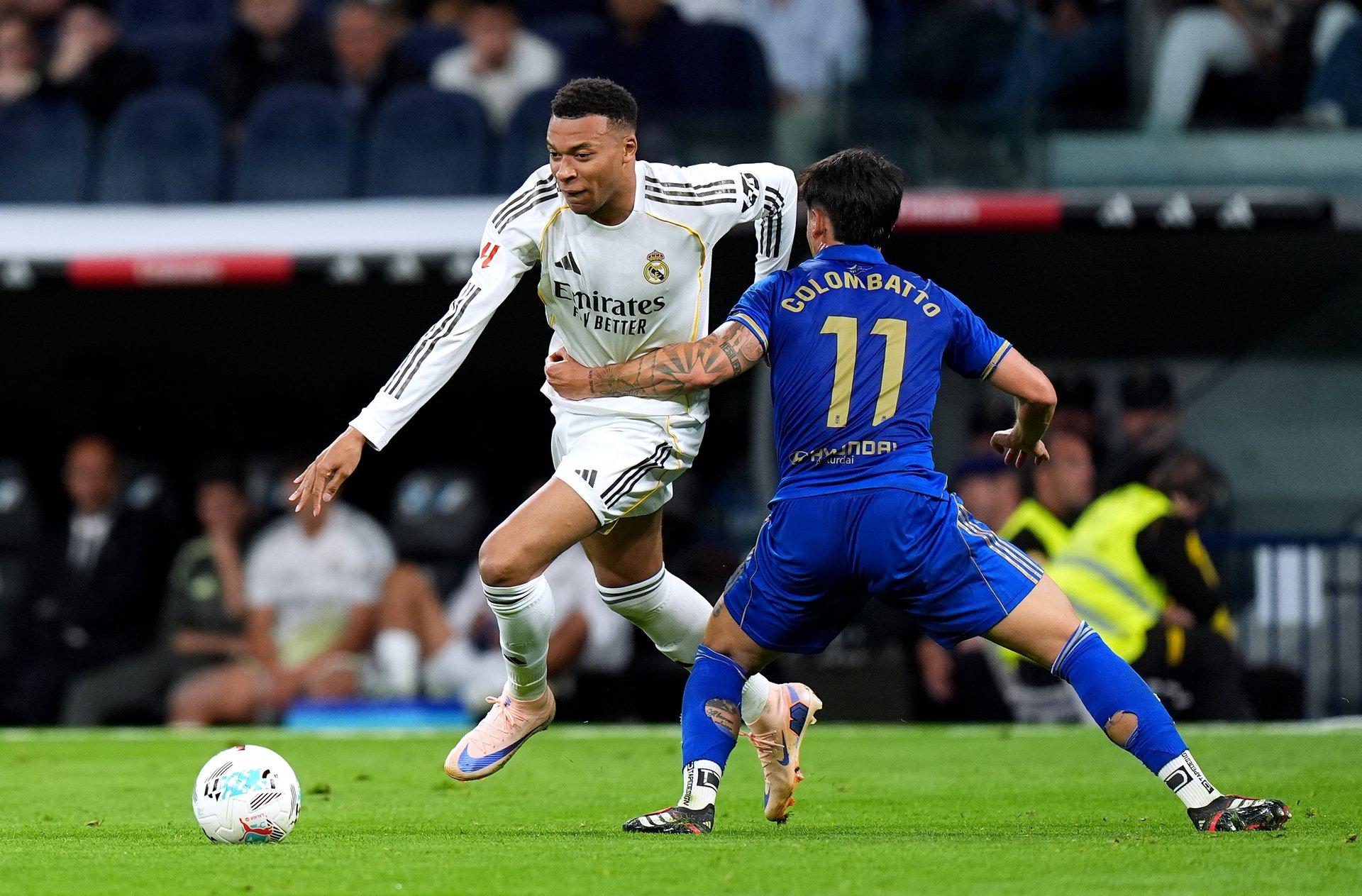
In this battle for supremacy, Javier Tebas cleverly employed a 'locomotive and carriages' metaphor, asserting that while Real Madrid are a powerful engine, the league still relies on its smaller carriages to run smoothly. He likened the Bernabeu's monopolistic ambitions to Nasser Al-Khelaifi's power-grabbing approach at PSG, branding it a selfish attempt to disrupt the natural balance of continental football.
However, these boardroom politics are colliding head-on with a harsh reality on the pitch. With Los Blancos faltering in fourth place on 15 points after seven matches—six points adrift of leaders Barcelona—internal and media pressure has reached boiling point. This dip in form has inadvertently turned off-pitch legal battles into a heavy psychological burden weighing down the players.
The Author's Verdict
The relentless feud between Javier Tebas and Real Madrid is ultimately a modern clash of visions for the future of Spanish football. On one side is the league's effort to protect a traditional, fair structure; on the other is the Spanish giants' desire to rewrite the footballing order through exclusive, breakaway projects.
The fallout from this ideological conflict will undoubtedly reshape La Liga's standing on the global sporting stage. At this historic crossroads, football fans face a compelling dilemma: do you support the independence and sustainability of the La Liga system under Tebas, or back Real Madrid's revolutionary reform plans?

Comments