
Explained: How Man City could still play Champions League football even if relegated
Despite facing a historic relegation threat over alleged financial breaches, Manchester City could still compete in the Champions League thanks to a UEFA legal loophole. This extraordinary scenario has sent shockwaves through English football, sparking fierce debate over sporting integrity.

English football stands on the brink of an unprecedented institutional crisis, with Manchester City facing potential expulsion from the top flight following a verdict on 114 alleged financial breaches, including inflating sponsorship revenues by up to £830 million. This looming relegation threat is predicted to be a historic punishment for the reigning champions.
However, an ironic legal twist has emerged: current UEFA regulations are entirely powerless to automatically bar a club based on historical infractions if they qualify through sporting merit. This systemic contradiction inadvertently creates a loophole, allowing the blue half of Manchester to confidently march into next season's Champions League, plunging English football into uncharted chaos.
The legal loophole: Why relegation might not stop European football
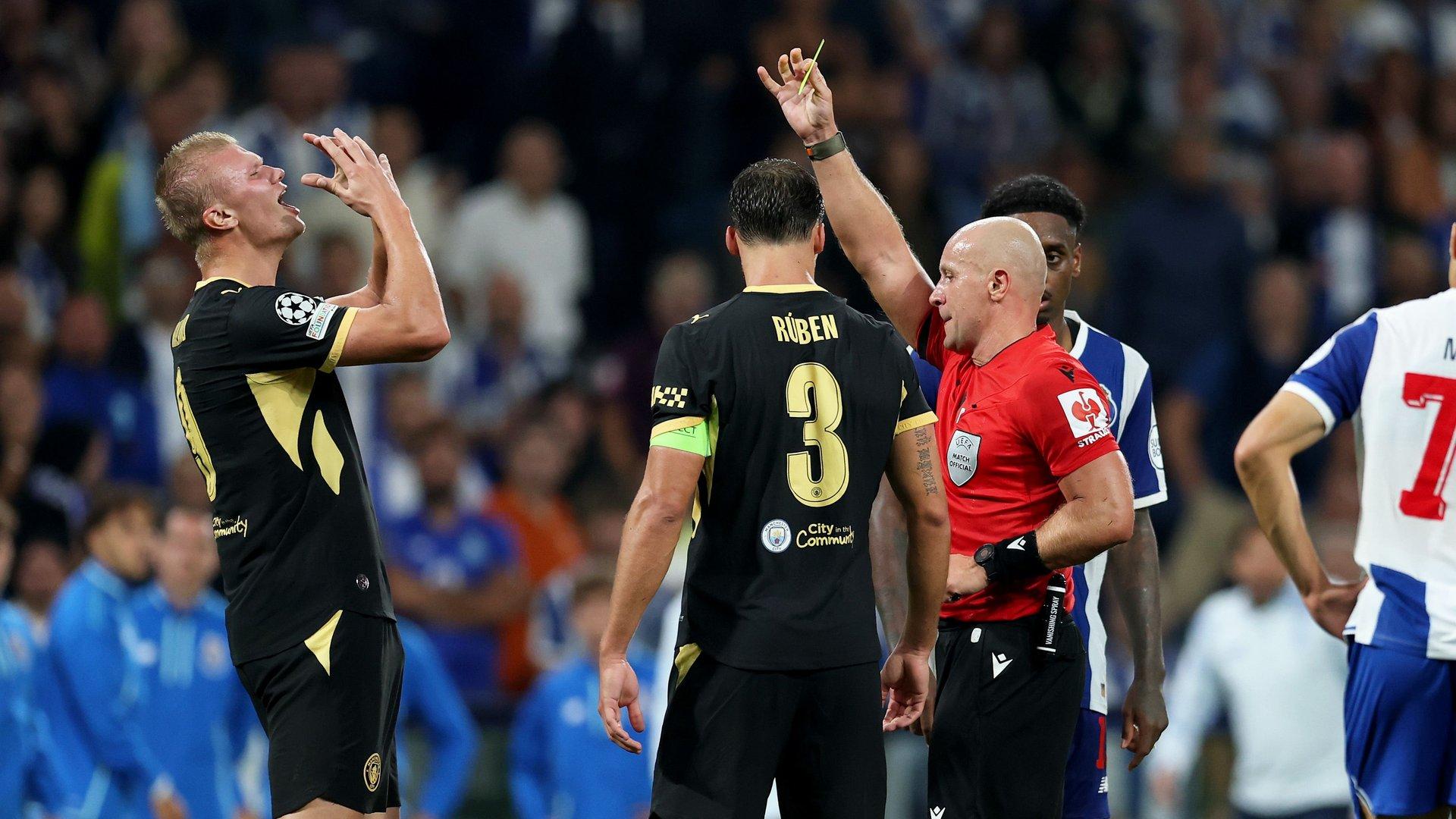
The biggest legal hurdle lies in the fact that UEFA lacks any mechanism to automatically exclude a club that qualifies on merit. Should Manchester City win the Champions League this season, they would automatically secure a spot for next term as holders, regardless of their domestic fate.
Crucially, the UEFA licence issued by the Football Association is assessed solely on current financial figures, completely ignoring historical breaches. Furthermore, standard criteria for licence refusal—such as tax debts, overdue payments, match-fixing, or multi-club ownership conflicts—do not apply here, inadvertently offering a spectacular escape route for City.
A £275m black hole and Premier League fury

Missing out on the Champions League alongside relegation would deal a devastating blow to Manchester City's financial structure, with losses estimated at up to £275 million from broadcasting rights, prize money, and commercial deals. Yet, this colossal financial hit has done little to appease rival Premier League clubs. Top-flight rivals are fiercely protesting, demanding severe deterrents such as multi-season points deductions and comprehensive transfer bans, rather than a single, compromised points penalty. This wave of fury has also backed UEFA into a corner, piling immense pressure on them to launch an independent investigation to strip City of their European spot should their appeal fail.
Editorial: A dangerous precedent
The complex legal battle between Manchester City, the Premier League, and UEFA is more than just an internal dispute; it has become a defining test for global financial fair play. Allowing a club guilty of systemic breaches to confidently compete in the Champions League due to a regulatory loophole would set a highly dangerous precedent, severely eroding trust in the integrity of the beautiful game.
To prevent this ironic scenario, UEFA must undertake a comprehensive regulatory overhaul, actively closing licensing loopholes and aligning their sanctions with domestic leagues. Only by decisively eliminating these legal grey areas can the governing body protect the integrity of global football and establish a transparent financial order for the future.

Comments