
Lamine Yamal: How a Spain shirt deepfake triggered a political storm
Lamine Yamal’s Spain number 19 shirt has become the unlikely flashpoint of a political crisis and deepfake AI scandal ahead of the general election. The controversy has exposed deep-seated racism while triggering a major breach of the EU AI Act.

On 23 November 2026, a brief 17-second campaign video featuring Spanish Prime Minister Pedro Sánchez instantly sent shockwaves through the media. Sporting Lamine Yamal's number 19 shirt, the Madrid government leader sought to deliver a powerful message celebrating the nation's ethnic diversity.
However, the move was swiftly dragged into a chaotic spiral when, just a day later, the opposition party used AI technology to distort the original footage, transforming the Spain shirt into a Moroccan national team jersey. This manipulative intervention not only triggered a political earthquake on the eve of the general election, but also thrust Yamal's shirt into the epicentre of a profound crisis over national identity and the ethical boundaries of technology.
The weaponisation of Lamine Yamal's shirt and dog-whistle racism
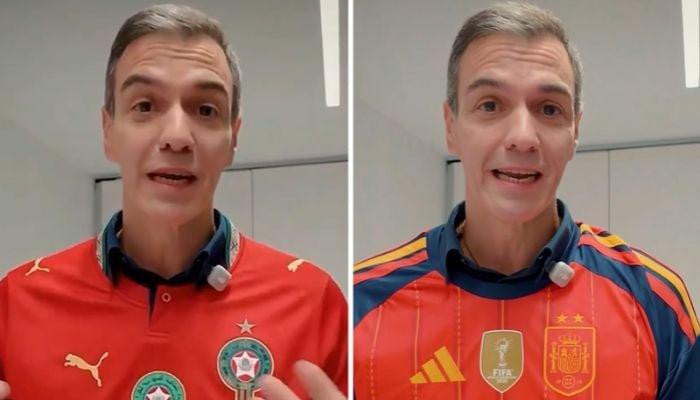
The catalyst for the crisis stemmed from comments by right-wing politician Xavier García Albiol, who publicly refused to wear Yamal's shirt, claiming the star lacked maturity. This prejudiced statement ignited a fierce debate, forcing Prime Minister Pedro Sánchez to intervene with a message championing the country's cultural diversity.
Yet, that inclusive gesture was quickly hijacked by the opposition using AI to alter the Spain shirt into Moroccan colours. According to analysis from SOS Racismo and expert Raúl Martínez Corcuera, this manipulation represents a sophisticated form of dog-whistle racism. By weaponising Yamal's heritage, they turned a symbol of unity into a tool for inciting xenophobia, driving a deep wedge through society.
The PP's deepfake attack and the legal red lines of the EU AI Act

In a counter-strike, the PP released a sophisticated deepfake video, replacing Prime Minister Pedro Sánchez's Spain number 19 shirt with a Morocco number 10 jersey, while cloning his voice to suggest the leader was prioritising the North African nation. Crucially, the PP's failure to label the AI-generated content directly breached Article 50 of the European Union's AI Act, which had officially come into force on 2 August 2026.
The irony of the Moroccan number 10 shirt appearing in the doctored video was not just a malicious political attack, but also sparked a fierce international backlash on 26 November 2026. The incident has quickly set a dangerous precedent, exposing the thin line between freedom of expression and unlawful technological manipulation.
Transcending the boundaries of a football match or an election campaign, Lamine Yamal's number 19 shirt has truly become a powerful symbol of a dual battle: fighting racism and resisting the unchecked abuse of AI. Once a piece of sportswear celebrating cultural diversity, it has been transformed into a calculated political battlefield, exposing severe legal loopholes in the face of rising deepfakes.
This means football no longer just mirrors society, but is now an arena where nations must confront the ethical challenges of the digital age. In your view, will the sanctions of the EU AI Act be enough to halt the tide of dirty political deepfakes in the future?
Comments