
Jesus de Miguel: How Spanish Football United in Grief After Pitch Tragedy
The sudden passing of striker Jesús de Miguel at the age of 30 following a horrific on-pitch collision has shocked Spanish football. A league-wide tribute campaign by La Liga, the RFEF, and Liga F has united the sport in a powerful display of solidarity.

Football, alongside its moments of sheer ecstasy, occasionally forces the world to witness devastating lows. The tragedy unfolded on 2 November 2026 at the Heliodoro Rodríguez López, when a horrific collision in the 97th minute (90+7') between Tenerife striker Jesús de Miguel and FC Andorra goalkeeper Jesús Owono claimed the life of the 30-year-old forward. His sudden passing has not only left an immense void but has also sent profound shockwaves across pitches throughout Spain.
Yet, from the depths of this immense grief, the spirit of solidarity and the human values of the beautiful game have shone through. La Liga, in coordination with the RFEF and Liga F, immediately launched a major tribute campaign under the banner 'Siempre en nuestro recuerdo' (Always in our memory), ensuring his legacy will live on forever.
On-Pitch Tragedy and the Mandatory Legal Investigation
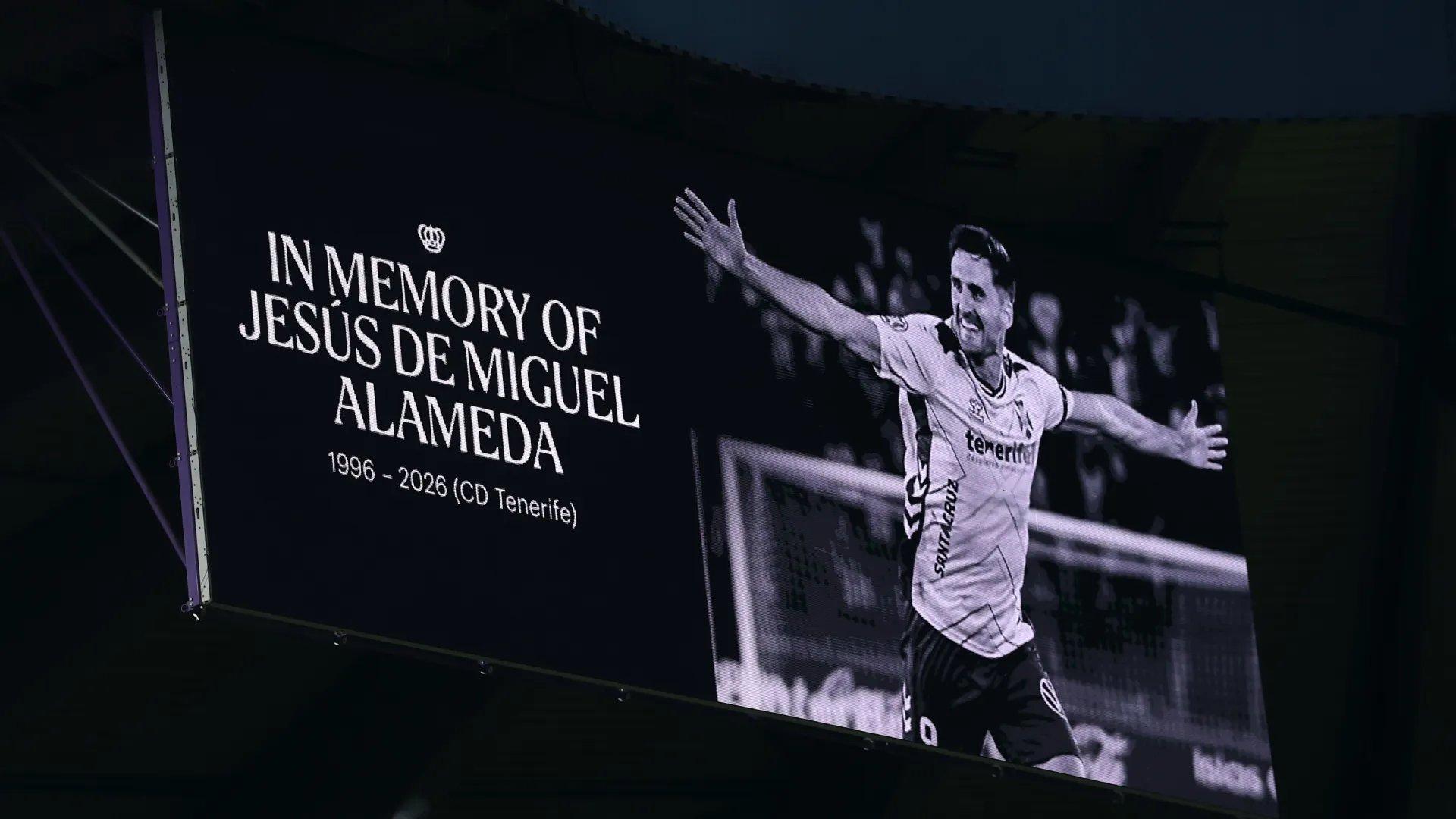
In the 97th minute of the match on 2 November 2026 at the Heliodoro Rodríguez López, Tenerife striker Jesús de Miguel chased down a ball and collided heavily with FC Andorra goalkeeper Jesús Owono. A direct impact to the chest left De Miguel motionless, suffering cardiac arrest on the pitch for 20 minutes. Despite emergency medical intervention, the prolonged lack of oxygen to the brain proved fatal, and he passed away on the morning of 3 November at the Nuestra Señora de Candelaria University Hospital.
Shortly after, the Spanish National Police opened a judicial investigation into Jesús Owono for involuntary manslaughter. This is a mandatory legal procedure for non-natural deaths, aimed at establishing the boundary between a sporting accident and criminal liability. Initial autopsy results have preliminarily confirmed the cause of death as accidental thoracic trauma.
The 'Siempre en nuestro recuerdo' Campaign and Unprecedented Tributes
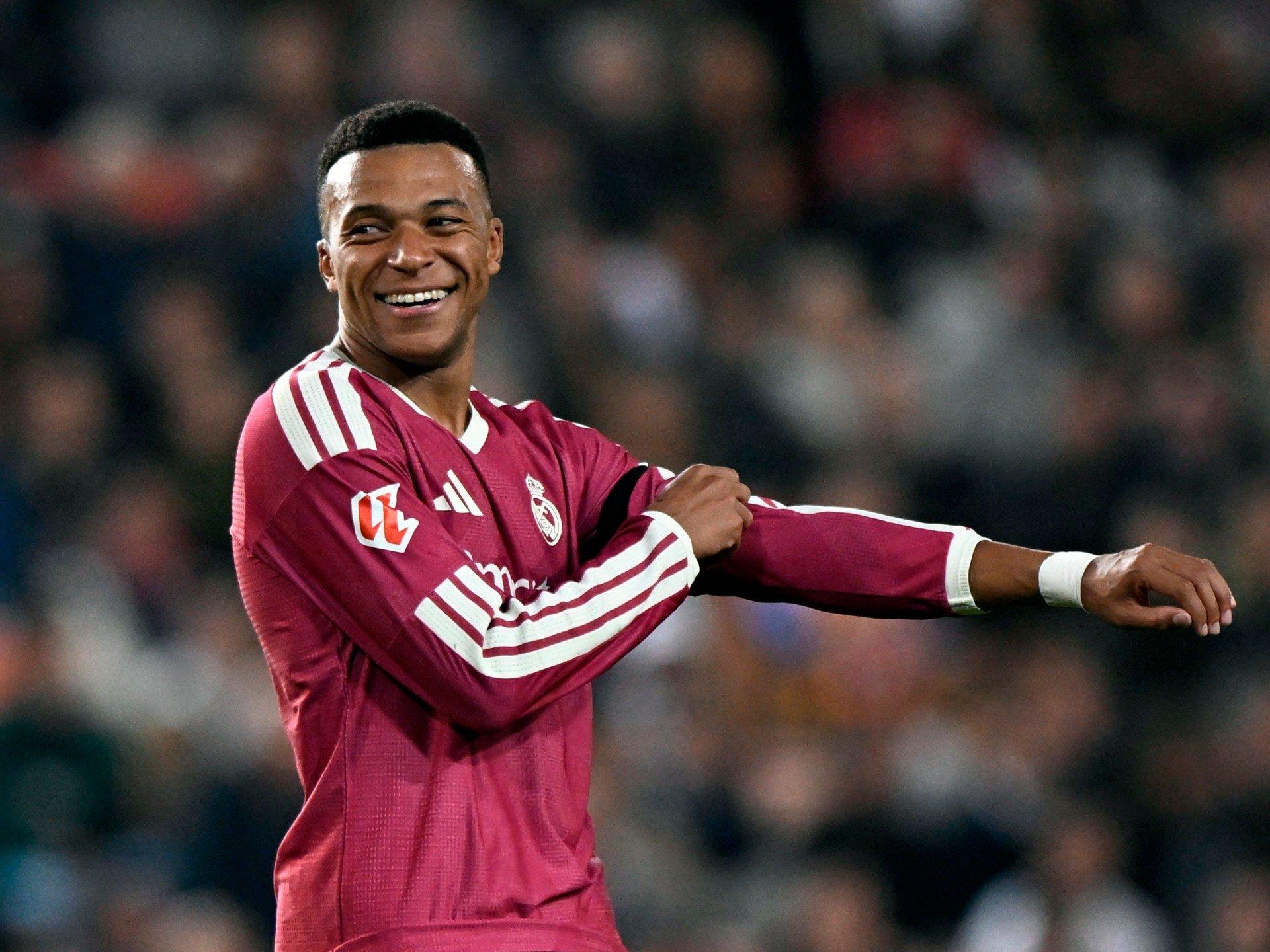
To help heal the pain, an unprecedented consensus was reached as La Liga, the RFEF, and Liga F united to launch the 'Siempre en nuestro recuerdo' campaign across Matchday 12 fixtures from 6 to 9 November 2026. Before kick-off, players from both teams and the match officials walked out wearing the late striker's iconic number 9 shirt, linking arms in a solemn semi-circle around the centre circle.
Most notably, league authorities made a historic decision to pause matches in the 9th minute, allowing the entire stadium to stand and applaud in tribute to Jesús de Miguel. This poignant gesture not only honoured the late forward's legacy but also proved that human compassion and solidarity transcend the fierce rivalries of the pitch.
The Human Values Uniting Spanish Football
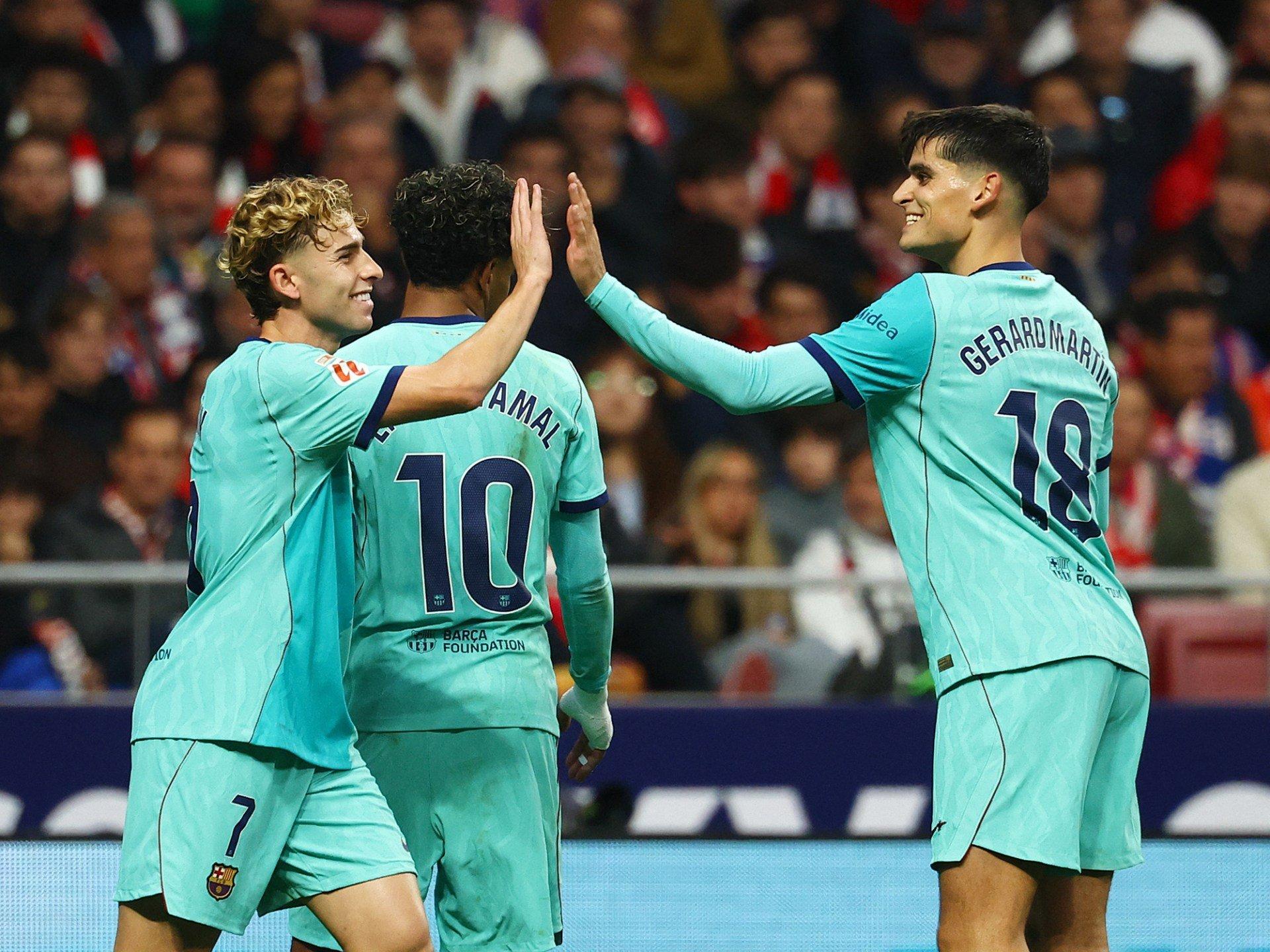
This collective grief quickly reached the highest echelons of Spanish football. At the funeral in Navahermosa on 5 November, the presence of prominent figures such as Luis de la Fuente and Florentino Pérez showed that this tragedy was felt by all. By 7 November, the Heliodoro Rodríguez López stadium became a symbol of unity as representatives from Real Madrid, Barcelona, and Tenerife stood shoulder to shoulder to share the loss.
Far more than a farewell ritual, the campaign has marked a major turning point in fostering solidarity and raising awareness of pitch-side medical safety. It serves not only as a source of comfort but also as a stark wake-up call, forcing administrators to optimise emergency medical protocols to protect players' lives.
Editorial Perspective
The tragic passing of Jesús de Miguel is not just a painful loss for Tenerife, but a profound wake-up call that has shaken Spanish football, highlighting the fragile boundary between sport and life. Far beyond points or trophies, his proud number 9 shirt will live on as a symbol of unity and humanity, illuminated together by La Liga and the RFEF. This tragedy also poses a challenging question regarding player safety limits in high-intensity modern football.
In your opinion, what additional emergency medical measures should leagues implement to prevent similar tragedies on the pitch?

Comments