
Kylian Mbappe faces massive China backlash as sponsors axe deals over insensitive joke
Kylian Mbappe is facing a fierce backlash in China after an insensitive joke prompted three major sponsors to axe their deals, forcing La Liga into damage control to salvage their billion-user market. The PR disaster serves as a costly warning over the commercial risks of modern superstar branding.

A seemingly harmless joke by Kylian Mbappe on French television has sparked furious backlash in China, triggering a global PR crisis. In the blink of an eye, the Real Madrid superstar saw three major sponsorship deals with Dongpeng, Mengniu, and Milkground terminated, while La Liga matches faced a widespread broadcasting ban across the nation of over a billion people.
These immediate repercussions have not only dealt a severe blow to the French forward's commercial value but have also plunged La Liga chiefs into a diplomatic nightmare. The incident serves as a costly lesson for global football stars on the fine line between personal humour and cultural sensitivity in the digital age.
Fury in the nation of billions: When a joke strikes a national nerve
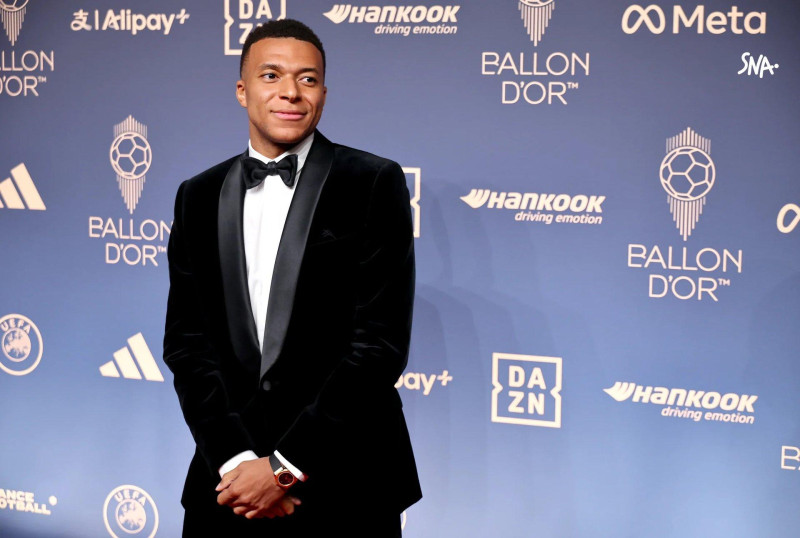
The crisis was sparked by a segment on the online talk show *The Bridge*, where Kylian Mbappe casually joked about a meme photoshopping his face onto the late leader Mao Zedong. This insensitivity immediately struck a deep national nerve, igniting a wave of fury and fierce boycotts across major social media platforms such as Weibo and Xiaohongshu.
The commercial fallout was swift, with major brands Dongpeng, Mengniu, and Milkground immediately severing ties and terminating their sponsorship deals with the Real Madrid superstar. This dramatic turn of events has not only isolated Mbappe from a market of over a billion consumers but also serves as a stark warning of the price sports stars pay when they cross national red lines.
La Liga steps in: A sports diplomacy crisis
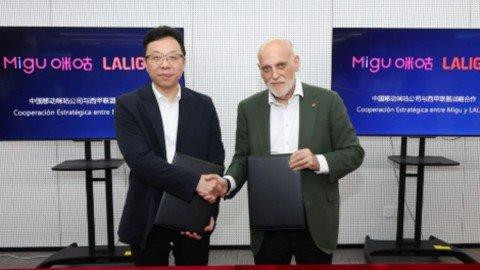
The situation escalated rapidly as China's state broadcaster (CCTV/CMG) suspended all La Liga broadcasts, including Real Madrid fixtures, and removed all promotional imagery featuring the French forward. Under immense pressure, Kylian Mbappe was forced to issue a public apology in French, English, and Chinese to appease the public, expressing deep regret and asserting his utmost respect for the nation's history.
However, with a core commercial market in Asia at stake, La Liga chiefs could not afford to stand by. President Javier Tebas immediately issued a sincere apology to the Chinese public on behalf of the league, launching urgent diplomatic efforts to salvage this strategic partnership.
A costly lesson in brand management for global superstars
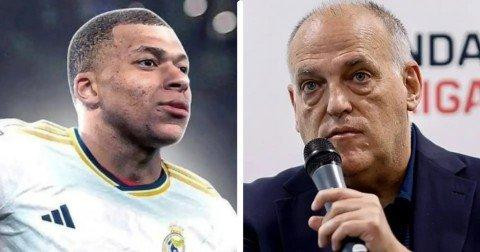
Kylian Mbappe's PR disaster highlights the incredibly fine line between personal humour and political or cultural sensitivity in a globalised digital era. For a world-class superstar, a single careless remark can not only instantly destroy lucrative sponsorship deals but also leave long-lasting damage on their brand in key strategic markets like Asia.
Furthermore, this serves as a wake-up call for Real Madrid and other elite clubs to tighten media protocols and manage player-related PR risks. When a club's commercial value is so closely tied to its star players' personal brands, a lack of media oversight can plunge the entire club ecosystem into unnecessary diplomatic crises.
Editorial perspective
More broadly, Mbappe's misstep is not just an isolated PR blunder, but an exposure of the immense risks social media poses to modern football. In the digital age, an insensitive comment can instantly trigger a domino effect, directly threatening sports diplomacy and the massive economic interests of an entire league.
Although the French superstar and La Liga chiefs have moved swiftly to make amends, rebuilding trust in a market of over a billion people remains a monumental task. Do you think the apologies from Mbappe and La Liga will be enough to win back Chinese football fans?

Comments