
El Clasico goes ahead: How Barcelona are tackling staff strike ahead of Real Madrid showdown
Despite a three-day strike by temporary matchday staff, Barcelona insist their El Clasico showdown with Real Madrid will go ahead as planned. The dispute has laid bare deep-seated tensions over the Catalan giants' reliance on outsourcing and casual labor.

El Clasico between Barcelona and Real Madrid is always the focal point of the footballing world, but the October 2026 clash has been overshadowed by a severe off-pitch crisis. A three-day strike by 60 permanent casual staff on the eve of the match not only threatens matchday security operations but also exposes deep fractures within the Catalan giants' internal operations.
However, behind the board's reassuring public statements that the match will go ahead as planned, this dispute is merely a symptom of a much deeper crisis. It has acted as a catalyst for a grueling legal and economic battle facing Barcelona, presenting the club with a complex administrative and financial puzzle in this modern era.
Why the strike happened: The final straw at Barcelona
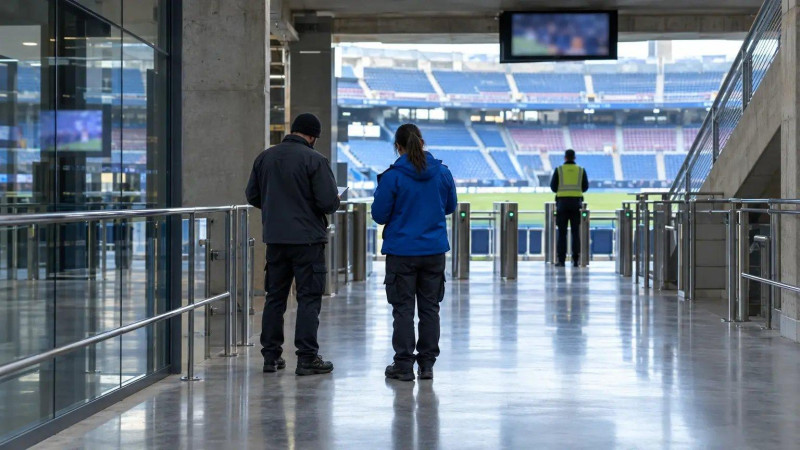
The roots of the crisis lie in a build-up of issues within Barcelona's staffing policy. Since October 2024, the permanent casual workforce has been slashed from 90 to 60 due to a hiring freeze, leaving the remaining staff severely overworked.
The dispute peaked when the CCOO union accused the board of breaching collective bargaining agreements, alongside allegations of internal discrimination and inequality. Crucially, the staff are fiercely protesting the over-reliance on outsourcing to cut costs. To break the deadlock, the strikers are demanding that Barcelona increase staffing levels by 50% to restore the original workforce of 90, presenting a major headache for the club's hierarchy.
Barcelona's solution: The inevitable shift to outsourcing
Facing pressure from the strike action, the Barcelona board quickly issued a firm statement to reassure the public. The club insists it is fully capable of managing operations and ensuring absolute security for the El Clasico clash in front of an 80,000-strong crowd. From a management perspective, the hierarchy frankly views the current in-house staffing model as obsolete. They point to major rivals like Real Madrid and Atletico Madrid, who have long transitioned to 100% outsourcing for matchday services to optimize costs and professionalize operations.
Nonetheless, Barcelona remain committed to dialogue with the union, respecting labor laws while maintaining strict fiscal responsibility. This is a necessary step towards a more sustainable and optimized operational model in the future.
Our View
The strike on the eve of El Clasico highlights the fierce conflict between financial optimization and core labor rights at Barcelona. In their bid to tighten belts and navigate the crisis, staff cuts have inadvertently piled immense operational pressure onto the remaining workforce, creating deep internal rifts. While the board has managed a temporary fix to ensure the match goes ahead safely, the long-term staffing puzzle remains unresolved as the shift towards outsourcing directly challenges the club's traditional values.
Do you think Barcelona should transition fully to an outsourced model like Real Madrid to optimize costs?

Comments