
San Siro stripped of 2027 Champions League final as UEFA announces new venue and radical rule changes
UEFA has officially stripped Milan's San Siro of the 2027 Champions League final, relocating the showpiece event to Madrid's Estadio Metropolitano alongside introducing landmark rule changes for the 2026/27 season.

The decision to strip the iconic San Siro of the 2027 UEFA Champions League final and hand it to the Estadio Metropolitano on 5 June 2027 is far more than a mere administrative hiccup; it represents a symbolic turning point highlighting UEFA's uncompromising standards in this new era. With the Milanese authorities failing to guarantee the stadium's renovation timeline, the door has swung wide open for Madrid to once again assert its status as the capital of European football.
Crucially, this showpiece clash in Spain will also mark the third consecutive season featuring the grueling League Phase format. With UEFA continuously fine-tuning tactical regulations in its latest handbook, the race for the prestigious European Cup leaves absolutely no room for playing it safe, forcing clubs into a genuine battle for survival from the very first whistle.
Why San Siro was stripped of the 2027 Champions League final
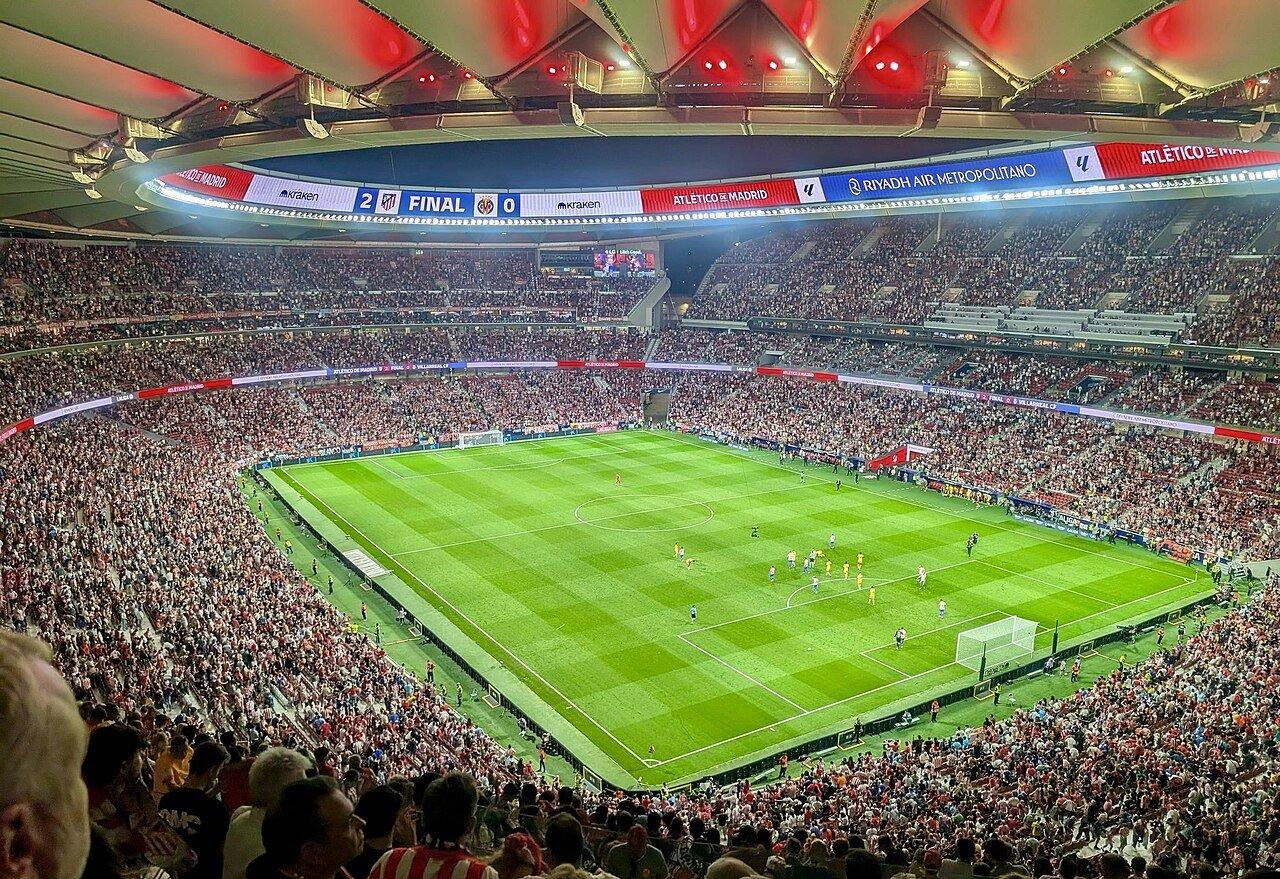
The decision to strip San Siro of hosting duties in September 2024 stemmed from the Milan municipality's inability to guarantee the stadium's renovation schedule ahead of Euro 2032. This uncertainty forced UEFA to act swiftly to eliminate any operational risks for the biggest game of the season. Following an Executive Committee meeting in Albania on 11 September 2025, UEFA officially selected Atlético de Madrid's Estadio Metropolitano as the replacement venue, beating rival bidder Baku.
This decision means Madrid will host its sixth Champions League final in history, cementing its status as a footballing metropolis. It also marks the second time the Estadio Metropolitano has been handed the honour of hosting Europe's showpiece event, following the all-English clash between Liverpool and Tottenham Hotspur in 2019.
The 'no-repeat home fixture' rule and UEFA's tactical shift
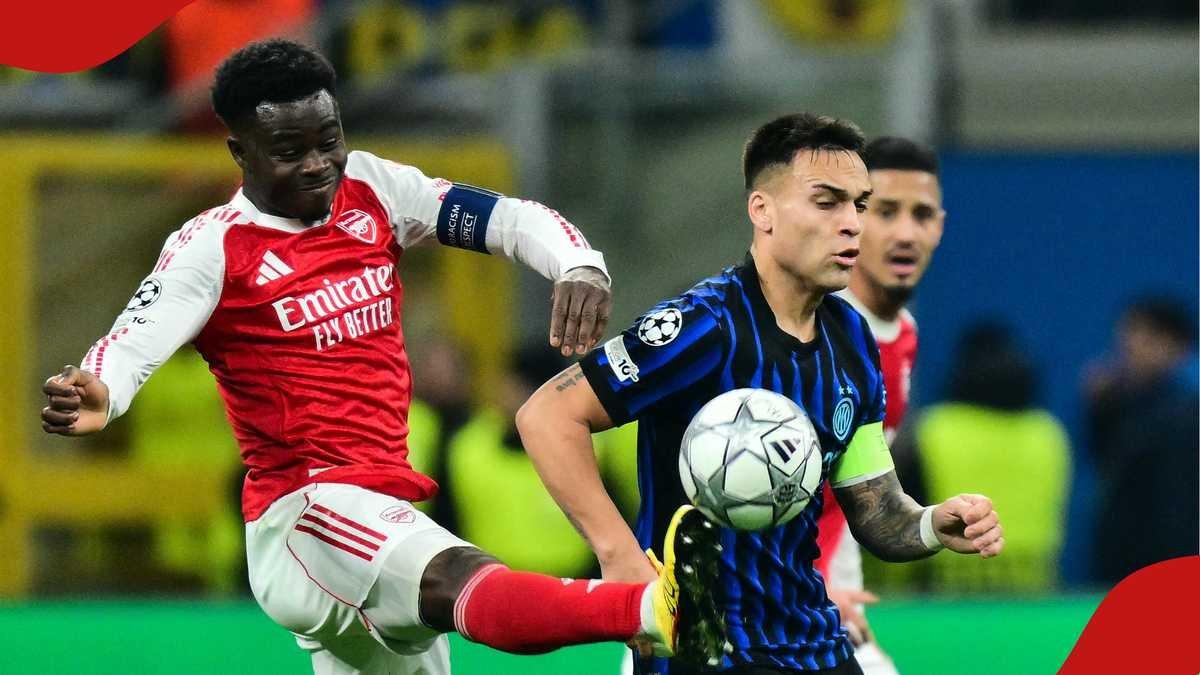
Heading into the 2026/27 campaign, UEFA will officially implement the "no-repeat home fixture" rule in the League Phase. Designed to ensure sporting integrity, this regulation strictly prohibits a fixture from being played at the same stadium for three consecutive seasons in the opening phase. Consequently, if two clubs are repeatedly drawn against each other year after year, home advantage must rotate to prevent repetitive scheduling.
For instance, if Inter Milan and Arsenal are drawn against each other for three consecutive seasons, they cannot play successive matches at the Italian side's San Siro home. This tactical shift from UEFA not only dilutes the traditional home advantage enjoyed by Europe's elite but also forces managers to constantly adapt their game plans on the road, driving the tournament's drama and unpredictability to new heights.
Relaxed squad registration rules for the knockout stages
Alongside scheduling tweaks, UEFA has introduced a groundbreaking update to Article 32 of its regulations, directly affecting squad registration for the knockout stages. This adjustment is seen as a vital solution to the squad depth dilemmas clubs face after navigating the grueling league phase.
Under the new rules, this emergency mechanism is triggered if a club has more than five List A players who are no longer registered with their national association. In this scenario, UEFA's new concession allows the club to register up to one additional player to boost squad flexibility. This tactical lifeline helps managers navigate injury crises or winter transfer window departures, ensuring they retain maximum strength for high-stakes knockout ties.
Editorial verdict
These systemic adjustments in UEFA's new handbook not only refine the League Phase format but also elevate the level of competition, forcing clubs to constantly adapt both tactically and in terms of squad management. This strategic move promises to make the 2026/27 Champions League one of the most compelling editions yet, where outdated pragmatism is cast aside in favour of maximum flexibility and drama.
Alongside these technical reforms is the allure of the road to the final at the Estadio Metropolitano, Madrid's state-of-the-art footballing cathedral. Will familiar home soil and climate provide the ultimate launchpad for La Liga's heavyweights to dominate and lift the trophy in the summer of 2027?

Comments